

Qigong Fundamentals
Image by Cyndi Bemel
What is Qigong fundamentals?
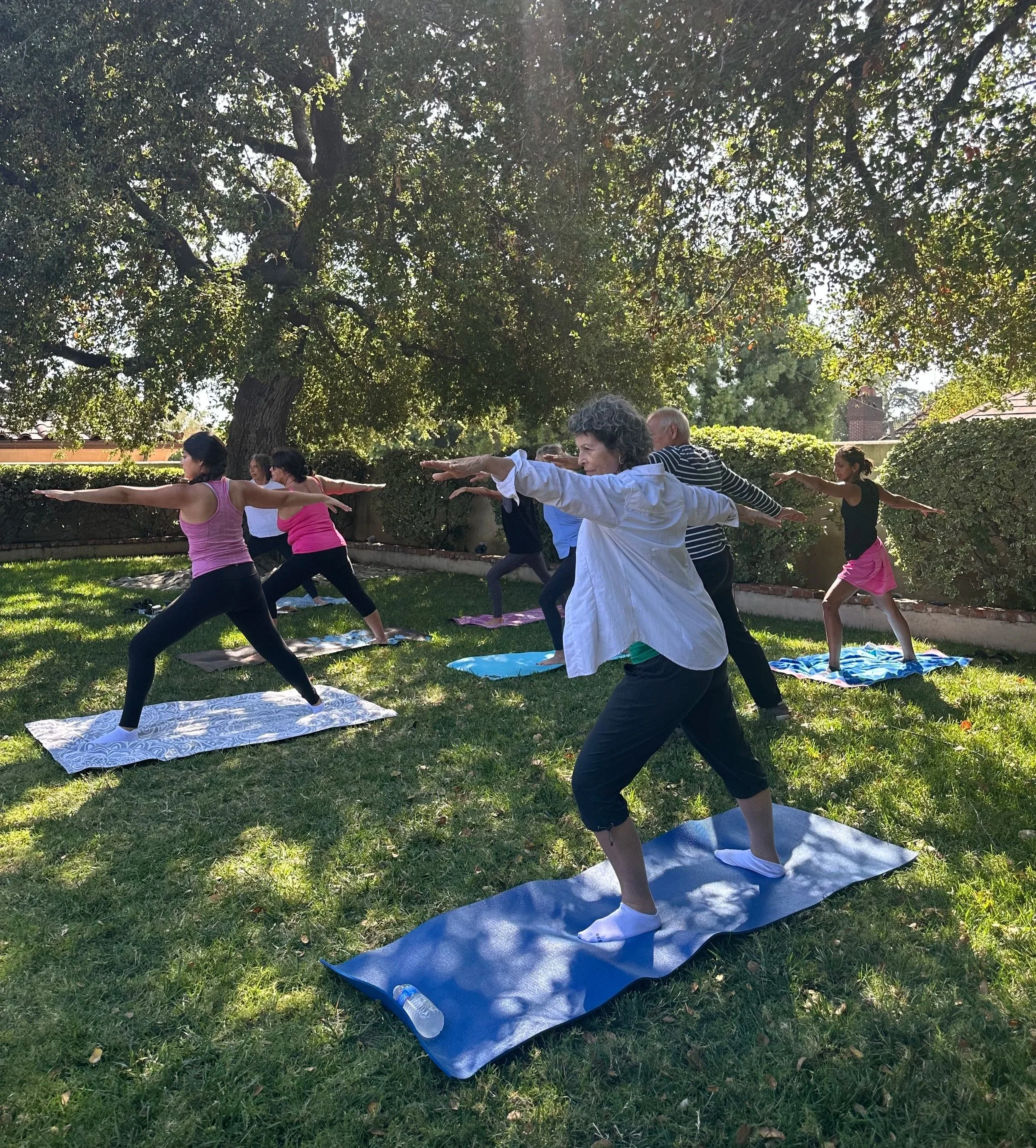
Qigong (pronounced chee-gong) Fundamentals is a beginner-friendly introduction to the practice of Qigong…and a practice you can continue to grow with.
Rooted in ancient Chinese movement and mindfulness traditions, Qigong Fundamentals blends gentle, intentional movement with breath and awareness to support whole-body health and inner calm.
You’ll experience:
Synchronized breath with movement to calm and regulate the nervous system
Full-body warm-ups that enhance mobility and prepare joints and muscles for fluid motion
Gentle stretching and strengthening to build flexibility and resilience without strain
Rooted and flowing postures with awareness to improve balance, stability, coordination, and body confidence
Flowing movements that teach us how to move with relaxation which helps to cultivate greater energy, ease, and inner peace
Inner awareness and intention to restore harmony in body, mind, and spirit
Throughout each session, you’ll learn not just how to move, but why the movements matter, and how the individual movements support the physical body and, when relevant, the body’s internal systems, including the nervous, respiratory, cardiovascular, digestive, and immune systems. This makes it easier to practice with intention, stay present as you move, and carry what you learn into daily life.
Movements are shown standing, yet many can also be done seated to meet your body’s needs.
A fully seated version of the practice is available through the Twin Oaks Circle Membership for those who prefer or require a chair-based experience.
Most classes (excluding B.A.S.I.C.S.+) end with an optional 5–10 minute mindfulness practice to help you integrate the experience and feel more grounded and present.
If you’re curious to explore the principles of Qigong more deeply, you’ll find additional context and resources further down this page.
What to Expect
Each class includes:
Flowing, spiral-based movements to open the joints and spine, increase circulation, and gently strengthen the body
Gentle stretch holds—never to your limit, about 70%—to encourage length and balance without strain
Simple balance practices to build stability, coordination, and confidence in everyday movement
Breath awareness and intention to calm the nervous system and restore balance
Grounding and centering practices to connect body, breath, and mind
With regular practice, you may experience:
Less tension and greater ease in movement
Improved flexibility, coordination, and balance
A calmer mind and steadier mood
Enhanced energy and vitality
Better sleep and immune support
Feeling more connected, present, and at ease in your body and in your life
A glimpse into the gentle, grounded pace of a Qigong Fundamentals class
Discover the Benefits of Joining the Twin Oaks Circle
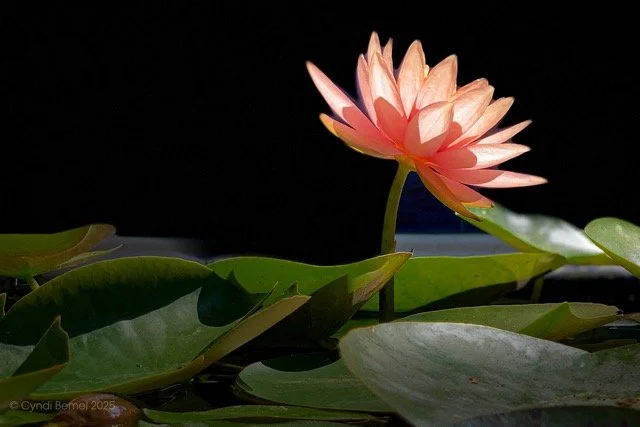
Image by Cyndi Bemel
Dive Deeper
-
Qigong (pronounced “chee-gong”) means “energy cultivation” or “skill with energy.”
-
Through relaxed, mindful movement and breath, Qigong works with both the physical body and our internal experience, helping us sense how form and formless interact within us.
One way to understand form and formless is through the different states of water… ice, water, and mist. All are H₂O, yet each feels completely different
-
In Traditional Chinese Medicine, meridians are energy pathways that flow through the body—much like rivers nourishing the land.
-
Qigong is one of the Five Branches of Traditional Chinese Medicine (TCM)—the others being Nutrition, Herbal Medicine, Massage, and Acupuncture.
You can think of Qigong as the movement or exercise branch of this system—essentially, the exercise of acupuncture.
-
At the heart of Qigong lies the balance of Yin and Yang—two complementary forces found in all aspects of life.
-
If Yin and Yang teach us about balance, the Five Elements reveal how that balance moves—through the rhythms of nature, the turning of the seasons, and the ongoing transformation within us.
-
In Qigong, the body, heart, and mind are often called the “Three Treasures” because when these three parts of us come into harmony, something remarkable happens. We feel more whole, more connected, and more alive. Here is how this practice nurtures each one.
-
Spiraling is one of nature’s most powerful patterns—it’s found in DNA strands, ocean waves, galaxies, seashells, and unfurling leaves.
In Qigong, spiral movements reflect these natural rhythms, helping energy move smoothly through the meridians and the body.
-
The spine is at the heart of every Qigong practice. Just as a leaf’s stem carries nourishment through its veins, the spine serves as the body’s central energy channel—supporting structure, movement, and flow.
-
Qigong and Tai Chi come from related Chinese movement traditions and share many foundational principles. While they are different practices, they overlap in meaningful ways and are often taught alongside one another.